
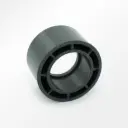
2in White 90° Degree PVC Fitting Degree PVC Fitting
SKU: RF-129020WS
Sharp Directional Routing: Redirects a standard 2" PVC pipe run at a clean 90-degree angle, making it ideal for large drain drops or heavy-duty cabinet plumbing.
Dual Smooth Slip Sockets: Configured with 2" female slip (socket) connections on both ends, designed to accept standard 2" rigid or flexible Schedule 40/80 PVC pipes.
Aquarium-Grade White Finish: Provides a bright, clean look that coordinates seamlessly with modern professional marine sump networks and custom plumbing manifolds.
Non-Toxic & Safe for Aquatic Life: Fully certified lead-free and chemically stable, making it perfectly safe for freshwater aquariums, sensitive marine reef sumps, and hydroponic setups.
Internal Tapered Pipe Stops: Features integrated molded internal landing shelves on both ports to ensure proper pipe depth entry and equal distribution of solvent cement.
CoralVue 2 Inch White PVC 90° Elbow Fitting (SKU: RF-129020WS)
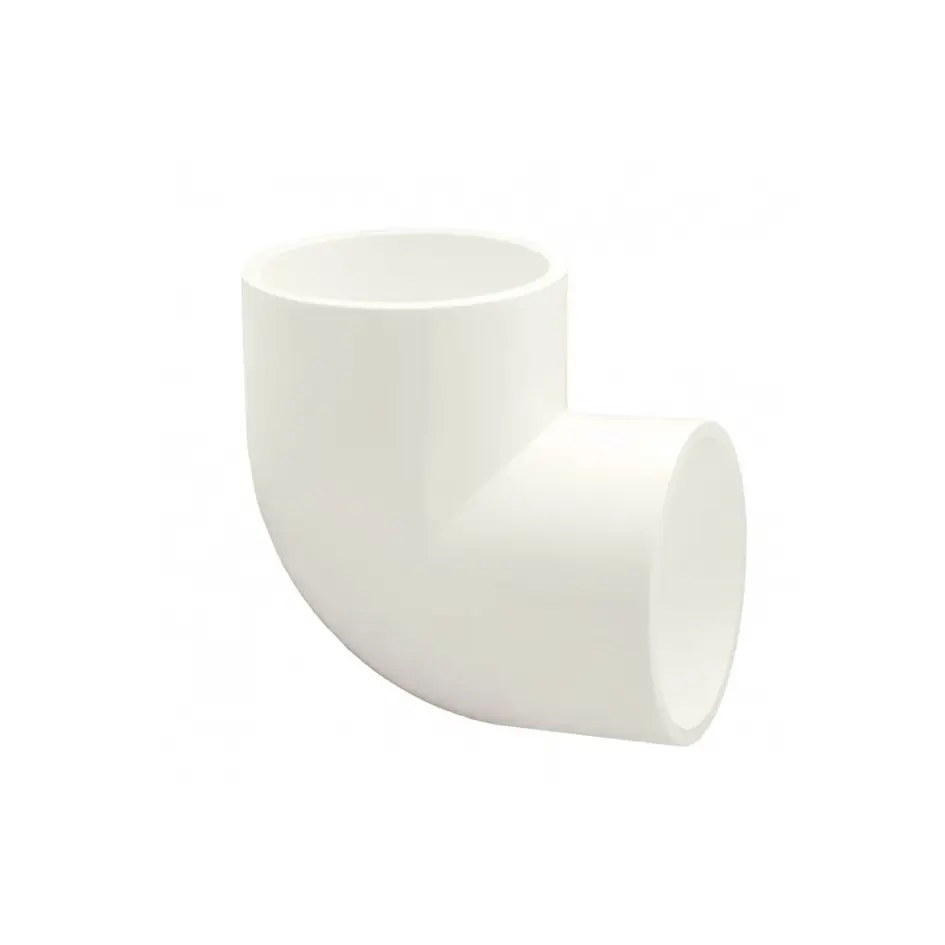
The CoralVue 2 Inch White PVC 90° Elbow Fitting (SKU: RF-129020WS) is an essential fluid management directional component engineered to connect, turn, or configure standard 2" plumbing lines within pressurized aquarium return loops, secondary gravity drain layouts, and custom reef filtration arrays. When building custom aquatic pipe configurations, changing the path of large-diameter 2-inch lines requires structural fittings that can handle directional water momentum, physical cabinet shifts, and steady pump pressure without weeping. This specialized aquarium fitting builds a rigid, right-angle corner bridge between pipe sections, providing a smooth internal sweep that helps control localized turbulence and prevent flow restriction.
Molded to exact aquatic distribution standards, this 90-degree elbow features a dual slip socket configuration (also known as a socket x socket connection). Both internal ports are precision-tapered to slide smoothly over standard 2" domestic Schedule 40 or Schedule 80 PVC pipe walls. When bonded with professional PVC primer and solvent cement, the fitting forms an absolute chemical weld that completely eliminates micro-leak risks. Its clean, high-purity white compound profile ensures full compatibility with standard marine plumbing lines, giving your filtration array a professional, bright, and organized appearance.
Key Features
Molded Shoulder Stops: Integrated internal steps guarantee that both incoming pipes seat to identical deep-weld positions, avoiding unbalanced physical joints or skewed pipe steps.
Permanent Solvent-Weld Sockets: Tapered internal socket walls ensure a snug dry-fit before glue application, ensuring deep, secure primer coverage and full glue-weleld depth.
Aquarium and Hydroponic Safe: Fired without plasticizers or volatile heavy metal stabilizers, ensuring it will never leach harmful chemicals into sensitive marine coral or freshwater fish systems.
(Note: This retail SKU contains (1) individual standalone CoralVue 2" Slip x Slip white PVC 90-degree elbow fitting. Solvent primers, cements, and structural pipes are sold under separate product categories).
What’s Included:
(1) CoralVue RF-129020WS 2" White PVC 90° Elbow Fitting
Technical Specs:
Official Manufacturing Title: 2" White PVC 90° Elbow (Socket x Socket)
SKU / Factory Part Identifier: RF-129020WS
Input Connection Style: 2" Smooth Slip Hub Socket (Accepts 2" Pipe)
Output Connection Style: 2" Smooth Slip Hub Socket (Accepts 2" Pipe)
Material Matrix Composition: High-Impact Unplasticized Polyvinyl Chloride (uPVC)
Pressure Rating Limit: Up to 280 PSI at 73°F (23°C) continuous capacity
Maximum Thermal Operating Limit: 140°F (60°C) continuous service capacity
Primary Structural Color Finish: High-Gloss Bright White
Industry Approvals: ASTM D2466 Standard, NSF 61 Certified Non-Toxic Potable Water Safe
While most of our equipment carries a one-year manufacturer's warranty, consumable products like fish and coral foods are not covered under traditional warranty terms due to their perishable nature and varied storage conditions. However, we fully stand behind the quality of every product we sell. If you experience any issues with your food purchase shortly after receiving it, such as concerns about freshness, packaging integrity, or product quality, please contact us at [email protected]. We're committed to making it right and will work with you to resolve any problems quickly and fairly.
- Cut your 2" PVC pipe cleanly at a true 90-degree angle using a dedicated wheel-cutter or fine-tooth saw. Remove all plastic burrs from the cut edge with sandpaper or a deburring tool.
- Test the connection by dry-fitting the pipe into the elbow socket. The pipe should insert easily about halfway to two-thirds of the way down the socket track before tightening up against the internal shoulder.
- Clean the outside tip of the pipe and the internal socket walls of the elbow with a dry rag to clear away all dust, moisture, and cutting debris.
- Apply a uniform layer of clear or purple PVC primer to the inside of the elbow socket and the outside edge of the pipe where it will sit inside the fitting.
- While the primer is still wet, apply an even coat of PVC solvent cement over the primed pipe end and a thin layer inside the elbow socket.
- Push the pipe firmly into the elbow hub until it hits the internal shoulder stop ridge. Give it a quick 1/4 turn to evenly spread the cement matrix, and hold it firmly in place for 15 seconds to prevent the pipe from pushing out as the glue cures. Repeat steps for the opposite side.
Pro Tips:
- Mark Your Pipe Insert Depth to Ensure Flawless Seating.
CRITICAL AQUARIUM PLUMBING DESIGN TIP: Because solvent glue sets up incredibly fast on large-diameter 2" socket hubs, always make a pencil line on the pipe at the exact hub depth during your dry fit. When you apply the wet cement and push the pieces together, this line acts as a quick visual confirmation that your pipe has traveled all the way down to the internal shoulder stop, guaranteeing a full-strength structural weld.
- Avoid Sharp Head Pressure Losses on Return Manifolds. While a sharp 90-degree turn is perfect for keeping drainage drops compact and tight within a sump cabinet, using them on pressurized pump return manifolds introduces significant head pressure resistance. If you are plumbing your return lines and want to maintain maximum flow efficiency, try using two sweeping 45-degree elbows separated by a small section of pipe instead of a single sharp 90-degree elbow wherever space permits.
- Allow a Full 24-Hour Cure Before Running Saltwater Pressure Tests. Even though solvent cement sets up physically firm within a few minutes, do not run full pump pressure tests or run system water through the line immediately. Wait at least 2 to 4 hours for low-pressure gravity lines, and a full 24 hours for main display return loops. Running chemical saltwater through partially cured joints can weaken the structural integrity of the joint, leading to micro-leaks or complete blowouts later on.