

Octo CO2 Check Valve
SKU: ROP-CALR-CV
- 100% Genuine OEM Factory Part: Manufactured directly by Reef Octopus as an exact drop-in structural match to replace jammed, mineral-crusted, or leaking check valves.
- Low Cracking Pressure Threshold: Calibrated with a ultra-low actuation mechanism that allows CO2 gas to flow smoothly and consistently without creating line resistance.
- Corrosion-Resistant Internals: Built using specialized, high-grade marine seals designed to withstand harsh, acidic CO2-saturated fluid environments.
- Dual Barbed In-Line Fittings: Features a standardized double-sided barbed hose layout designed to tightly grab standard 1/4-inch OD gas or airline tubing.
- Universal Equipment Protection: While built specifically for the Reef Octopus CR-series calcium reactors, it seamlessly protects any brand of pressurized aquarium gas line.

Reef Octopus
Globally trusted for premium protein skimmers and pumps, engineered in-house for unmatched reef filtration performance.
Reef Octopus Calcium Reactor Replacement CO2 Check Valve (SKU: ROP-CALR-CV)
The Reef Octopus Calcium Reactor Replacement CO2 Check Valve (SKU: ROP-CALR-CV) is an authentic, inline OEM safety component distributed by CoralVue to isolate gas pressure lines and protect precision equipment from accidental water damage. Pressurized carbon dioxide injection is vital for lowering internal pH inside a calcium reactor to melt down aragonite media and supplement skeletal growth elements in thriving reef tanks. However, because calcium reactors operate under active system pressure, the moment your gas bottle runs empty or an electronic solenoid cuts power for the night, a physical pressure vacuum forms. Without a reliable mechanical check valve blocking the path, high-salinity tank water will siphon back up the line, ruining your dual gauges and solenoid wiring.
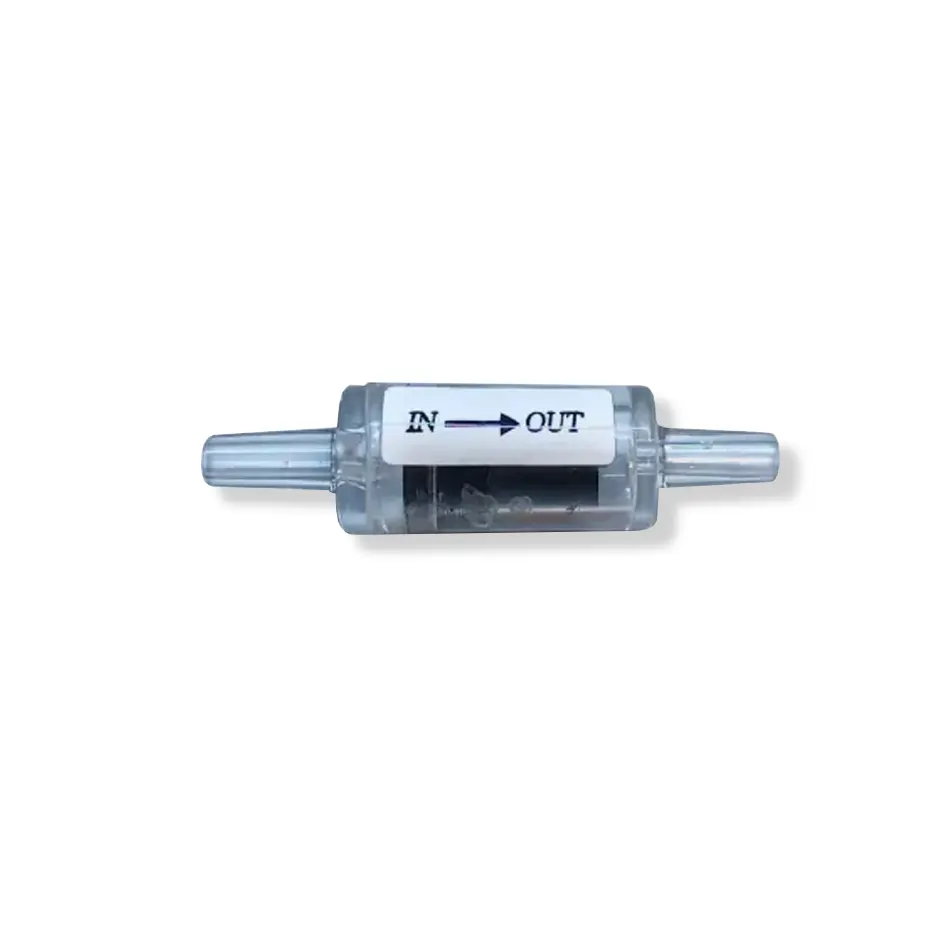
Molded from an inert, high-strength marine polymer shell, the ROP-CALR-CV utilizes a highly sensitive internal check assembly that permits gas flow strictly in a single direction. The outer casing features crisp directional tracking marks to guarantee a flawless installation loop. Engineered to tackle the demanding, humid environments of high-performance reef aquariums, this simple component saves hobbyists from hundreds of dollars in unnecessary equipment repairs by keeping all backward water migration locked out of the dry electronics loop.
Key Features
Prevents Disastrous Solenoid Burnout: Acts as an uncompromised structural barrier against backwards fluid travel, keeping saltwater safely out of expensive brass regulator mechanics.
Maintains Highly Consistent Bubble Counts: Low-friction internal spring tension opens seamlessly under low pressure, preventing line pressure spikes that cause erratic gas releases.
Friction-Lock Barbed Terminals: Dual tapered hose barbs form a secure slide-fit seal over standard 1/4" aquarium tubing, reducing gas leaks.
(Note: This retail SKU contains (1) individual standalone inline CO2 check valve. Pressurized carbon dioxide tanks, electronic dual-stage regulators, bubble counters, polyurethane lines, and calcium reactor chambers are sold under separate product categories).
What’s Included:
(1) Reef Octopus Inline Precision Replacement CO2 Check Valve
Technical Specs:
Official Manufacturing Title: Reef Octopus CO2 Check Valve for Calcium Reactor
SKU / Factory Part Identifier: ROP-CALR-CV
Hose Connection Profile: Dual-Sided Tapered 1/4-Inch Barbed Ports
Structural Casing Material Base: Saltwater-Safe Hardened Engineering Polymer
Primary System Pathway Track: Inline Solenoid Gas Feed to Bubble Counter/Reactor Directional Flow
Platform Compatibility: Universal Fitment for Standard 1/4" OD Tubing and All Reef Octopus Calcium Reactors
WARRANTY
CoralVue, Inc. hereby guarantee this product to be free from defects in material and workmanship for a period of:
- 90days
Warranty is activated on the date of purchase.
This Standard Limited Warranty applies and is limited as follows:
- To the product only as long as it remains in the possession of the original purchaser.
- To the product that has not been subject to accident, misuse, or abuse.
- To the product that has not been modified, altered, defaced, or had repairs made or attempted by other than CoralVue, Inc.
- That CoralVue be immediately notified in writing within ten (10) days of the owner's or his agent's first knowledge of the defect.
- That CoralVue, Inc. shall be given the first opportunity to make any repairs, replacements, or corrections to the defective construction within a reasonable period of time.
- Under no circumstances shall CoralVue and/or the Manufacturer be liable by virtue of this warranty or otherwise for damage to any person or property whatsoever for any special, indirect, secondary, or consequential damages of any nature, however arising out of the use or inability to use because of the product defect.
Click here to learn more.
- Unplug your calcium reactor feed pump and close the main valve on your pressurized CO2 gas cylinder to completely depressurize the system lines.
- Locate the existing check valve installed inline between your regulator's bubble counter and the gas input port on the calcium reactor body.
- Pull the flexible tubing away from the barbed tips of the old valve. Pro Tip: If the tubing has hardened over years of use, do not yank on it, as you can snap the plastic ports. Use a razor blade to slice the old tubing end lengthwise right over the barb to peel it away easily.
- Inspect your new ROP-CALR-CV check valve and locate the small directional arrow stamped into the outer plastic casing. The arrow indicates the direction of gas flow.
- Orient the valve so the arrow points away from your gas cylinder and regulator, and toward the calcium reactor.
- Firmly press your incoming 1/4" gas line onto the rear barb, and attach the line leading into the reactor onto the front barb. Open your gas cylinder slowly to inspect for leaks and confirm steady bubble rates.
Pro Tips:
- Always Verify the Directional Stamped Arrow Flow Prior to Installation. Because these safety check valves rely entirely on internal physical check mechanics to block backwards water travel, they will completely choke off your line if put in backwards. If you install the valve with the stamped casing arrow pointing toward your gas cylinder, the valve will consider the oncoming carbon dioxide to be a backflow event and will lock shut. If you turn on your gas system and find that zero bubbles are passing through your bubble counter despite turning the needle valve up, simply flip the direction of the check valve.
- Never Use Regular, Soft Vinyl Airline Tubing for Pressurized CO2 Gas Lines. When plumbing this check valve into your filtration system, never use standard, soft clear vinyl airline tubing commonly sold for air stones. Carbon dioxide gas is highly acidic and will rapidly degrade cheap vinyl, causing it to become brittle, turn a milky white color, and stretch out over a few months. When the line stretches, the connections over the barbs will fail, leading to gas leaks or line pop-offs under pressure. Always utilize dedicated, high-pressure polyurethane or polyethylene RO tubing to guarantee airtight security over the barbs.
- Descale and Test Your Check Valve Every 6 Months to Stop Calcium Sticking. Because this valve sits right above the humid, calcium-rich water line of your reactor, mineral scale and fine salt creep will slowly migrate into the output barb over time. If left uncleaned, this mineral crust will coat the internal spring or sealing seat, causing it to freeze partially open or snap shut. Every 6 months, pull the check valve out and drop it into a warm vinegar bath to dissolve any scale. To test it, blow into the output side (against the arrow)—it should lock tightly and allow absolutely zero air to pass through. If it leaks air backward, replace it immediately.