



Milwaukee Glass pH Probe
SKU: CV-MA991B-1
MSRP: $ 60.00
-
Available Through Authorized Retailer
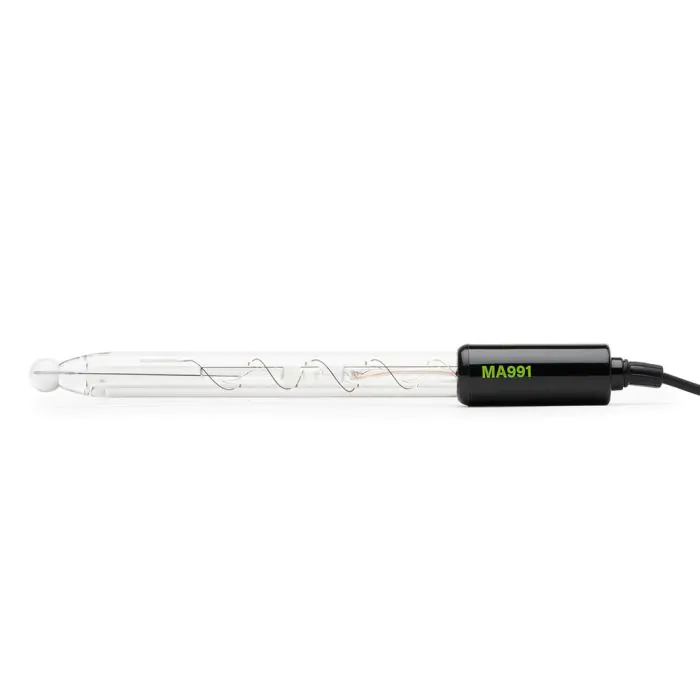
- The Milwaukee Glass pH Probe is a single junction glass probe for measuring pH with BNC devices.
- It is made for controllers, meters, and monitors that accept a standard BNC pH probe connection.
- The gel-filled glass design supports pH measurement without refillable electrolyte maintenance.
- The 1 meter cable and BNC connector make it a direct replacement for compatible Milwaukee meters.

Milwaukee
Milwaukee Instruments is a leading European maker of digital electrochemistry devices.
Glass pH Probe for Controllers, Meters, and Monitors
The Milwaukee Glass pH Probe is a lab-grade single junction, gel-filled glass pH probe for controllers, meters, and monitors with a BNC connector. It is used to measure pH in aquarium, service, education, and general testing applications where the meter accepts a standard BNC pH probe.
The glass body and gel-filled design make it a low-maintenance replacement probe because it does not require electrolyte refilling. The 1 meter cable gives room to route the probe from the sample area to the meter or controller while keeping the BNC connection secure.
Key Features:
- Lab-grade glass pH probe for pH measurement.
- Single-junction design for general pH testing applications.
- Gel-filled electrode does not require electrolyte refilling.
- BNC connector works with compatible controllers, meters, and monitors.
- 1 meter cable gives room for routing between the probe and meter.
- Glass body supports general testing and education use.
- Useful as a replacement probe for compatible Milwaukee pH meters.
Ideal For:
- Aquarium hobbyists replacing a worn pH probe on a BNC-compatible meter or controller.
- Service techs who need a glass pH probe for field testing and calibration work.
- Education or lab users who need a simple gel-filled glass pH electrode with a BNC connector.
Pro Tips:
- Calibrate before use. New and replacement pH probes should be calibrated before they are trusted for aquarium or service readings.
- Keep the glass tip wet. A dry pH probe can respond slowly or fail early. Store it in proper electrode storage solution when not in use.
- Rinse between buffers. Rinse the probe with clean water before moving between calibration solutions. This helps avoid cross-contamination.
- Clean before recalibrating a drifting probe. Buildup on the glass tip can make readings slow or unstable. Clean the probe before assuming it needs replacement.
- Match the connector first. This probe uses a BNC connector. Confirm the meter, monitor, or controller accepts BNC pH probes before purchase.
What's Included:
- 1 Milwaukee Glass pH Probe
Specifications:
- Brand: Milwaukee
- Product Name: Milwaukee Glass pH Probe
- SKU: CV-MA991B-1
- Product Type: pH probe
- Probe Type: Glass pH electrode
- Junction Type: Single junction
- Fill Type: Gel-filled
- Connector Type: BNC
- Cable Length: 1 meter
- Compatibility: Controllers, meters, and monitors with a BNC connector
- Electrolyte Refill Required: No
Manufacturer-Warrantied Brands
Some of the brands we carry are covered by the manufacturer's own warranty rather than a CoralVue warranty. Warranty terms vary by brand — we recommend visiting the manufacturer's official website or contacting them directly for current coverage details and the claims process.
If you're not sure which category a product falls into, our customer service team is happy to help.
Instructions:
- Remove the probe from its packaging and inspect the glass body and tip for damage.
- Connect the BNC connector to the compatible meter, monitor, or controller.
- Rinse the probe tip with clean water before calibration.
- Calibrate the probe using the buffer values required by the meter or controller.
- Rinse the probe between each calibration solution to avoid cross-contamination.
- Place the probe tip into the sample or monitoring location after calibration is complete.
- Keep the probe tip wet during use and storage.
- Clean the probe when readings become slow, unstable, or difficult to calibrate.
- Store the probe in proper electrode storage solution when it is not in use.