

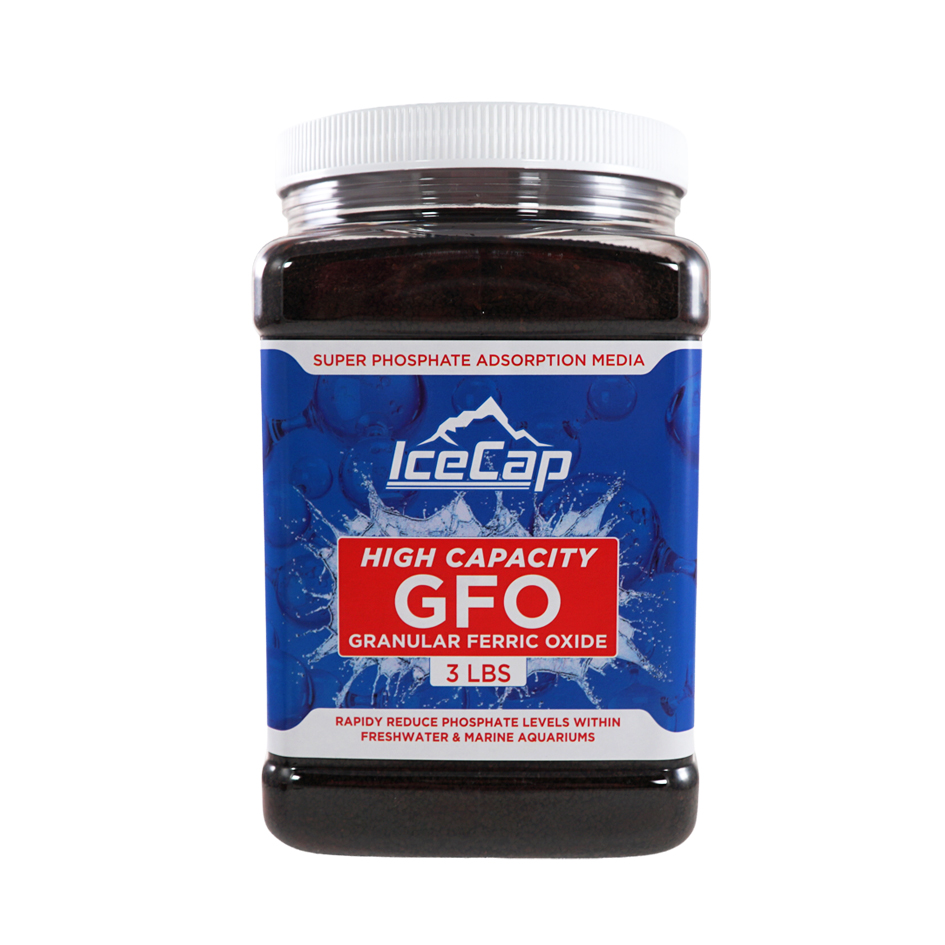
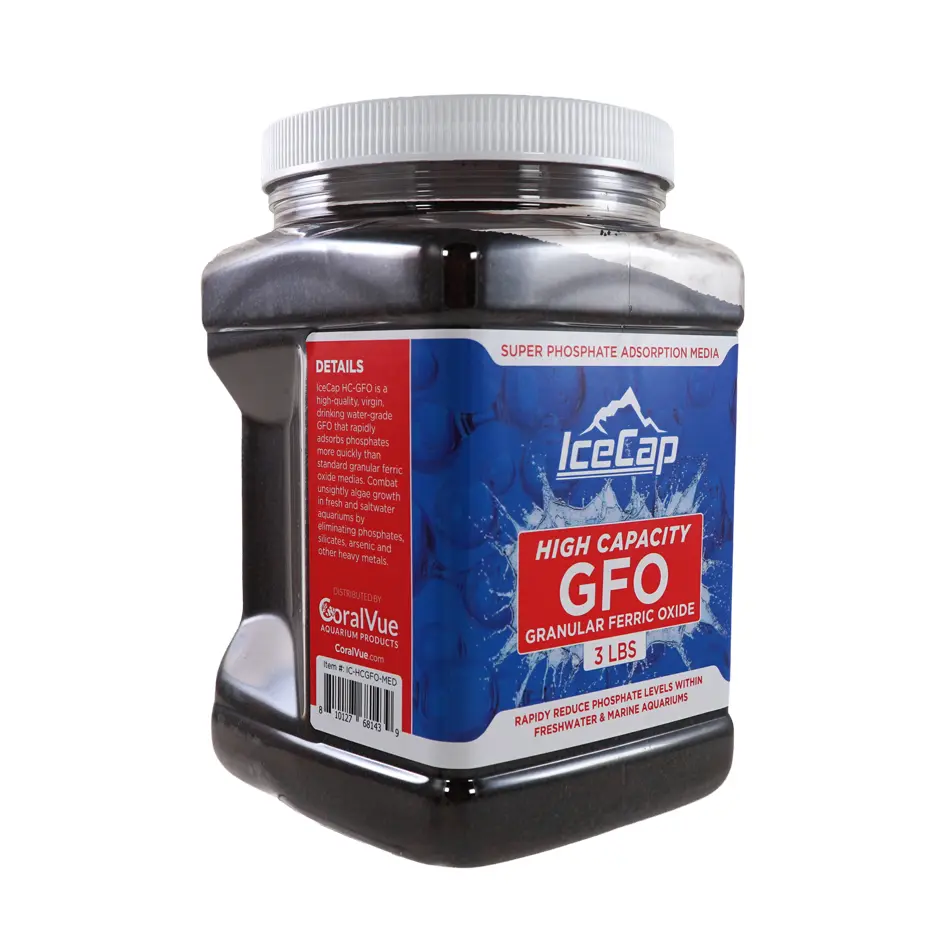
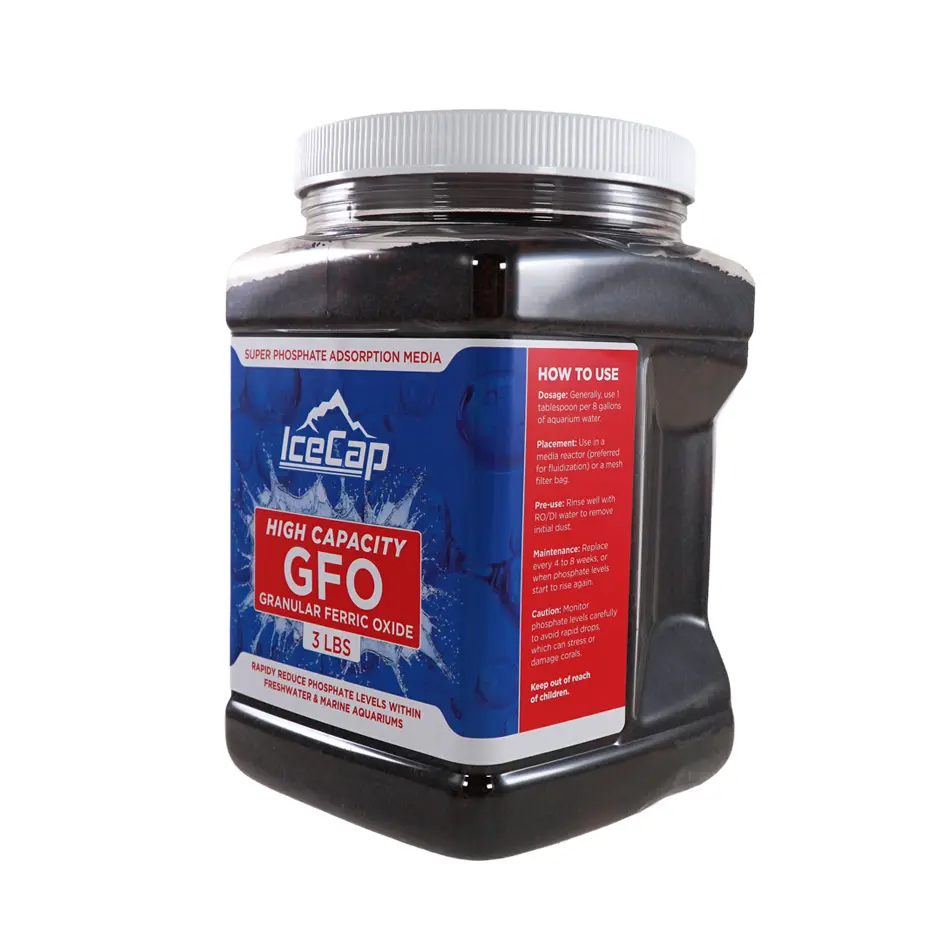
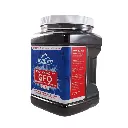
IceCap High-Capacity GFO, Medium 3lbs
SKU: IC-HCGFO-MED
- Double the Adsorption Capacity: Elite high-density iron matrix binds up to two times (2×) the orthophosphates and silicates per volume compared to standard GFO.
- Practical 3-Pound Medium Size: Resealable medium-format storage jar is scaled perfectly for standard home reef aquariums, minimizing container footprints while lowering bulk supply overhead.
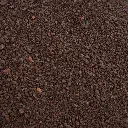
- Resists Friability & Attrition Dust: Hardened granule structure exhibits superior structural strength, drastically minimizing the creation of fine red fines during transit and fluidization.
- Perfect for High-Bioload Systems: Aggressively targets and strips away the primary food source required by invasive green hair algae, cyanobacteria, and diatoms.
- 100% Aluminum-Free Composition: Pure iron-oxide formulation guarantees zero toxic aluminum leaching, keeping delicate SPS corals and marine invertebrates fully safe.
- Space-Saving Reactor Footprint: Because you only need to use half the volume of standard media, it saves valuable physical space inside compact fluidized upflow filters.

IceCap
Premium aquarium equipment without the premium price. Protein skimmers, pumps, reactors, heaters & more.
![[Consumer Shipping Information] 📦 Shipping FAQ](/web/image/dr.website.content/27/image/%5BConsumer%20Shipping%20Information%5D%20%F0%9F%93%A6%20Shipping%20FAQ?unique=bbc76b0)

IceCap High-Capacity Granular Ferric Oxide (GFO) Filter Media — Medium 3lbs
The IceCap Medium High-Capacity GFO 3lb Jar (SKU: IC-GFOHC-MED) is an authentic, laboratory-grade chemical filtration media distributed by CoralVue to offer advanced, high-efficiency nutrient management across progressive marine reef setups, heavily stocked fish-only aquariums, and home frag systems. Phosphates are a persistent challenge in managed aquatic systems, entering via heavy fish feedings and tap water sources; left unchecked, excess phosphates spark aggressive outbreaks of nuisance hair algae or cyanobacteria and directly inhibit coral calcification. The IC-GFOHC-MED provides a high-efficiency solution, utilizing a specially modified, ultra-dense iron oxide matrix to capture and permanently trap unwanted phosphate and silicate molecules completely out of the water grid.
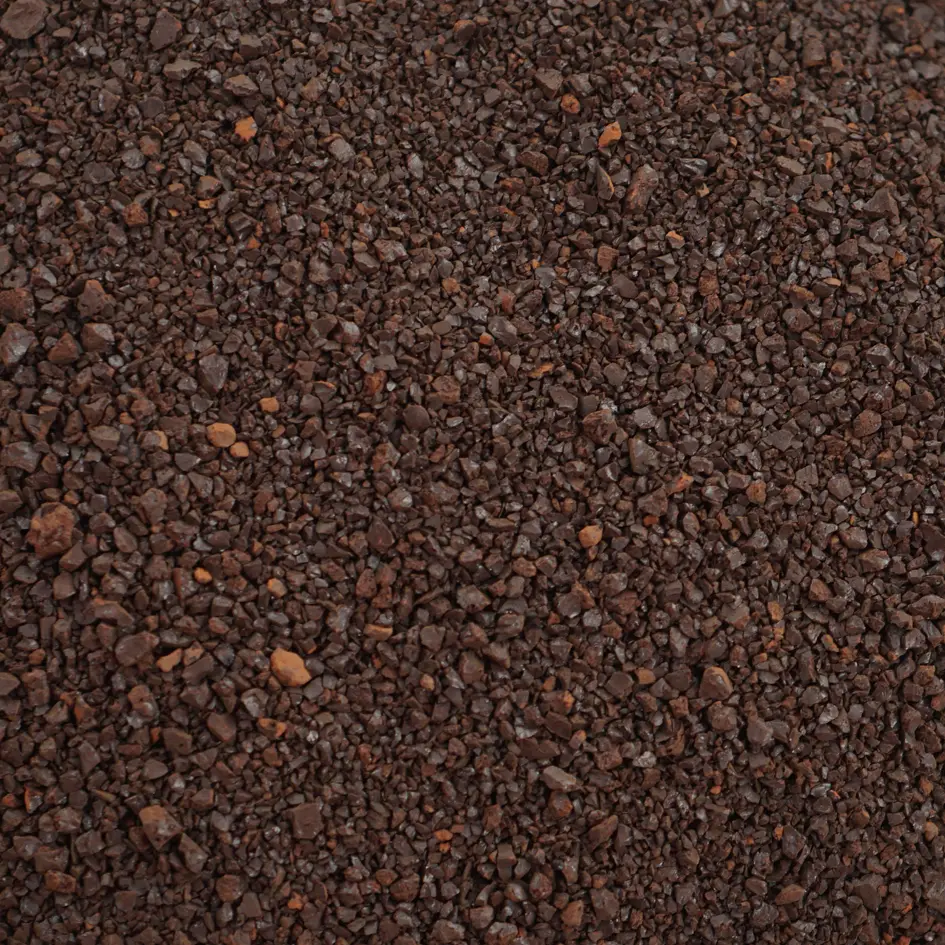
The defining advantage of IceCap’s High-Capacity line is its structural density. Unlike standard, lightweight GFO grains that fracture easily under pressure, this high-capacity variation is synthesized to be twice as dense. This means you can pack double the chemical binding capacity into a smaller space inside your reactor chamber, significantly reducing maintenance frequencies. Additionally, the enhanced hardness of these granules makes them remarkably resistant to friction. When used in active upflow media reactors, such as the IceCap 100INT or 100EXT series, the media stands up to constant fluidization without grinding down into fine dust. Packed in a convenient, airtight 3-pound storage jar, this configuration delivers professional-grade clarity at a highly practical scale for the home hobbyist.
Key Features:
Maximum Nutrient Suppression Economy: Drops water phosphates down to natural, pristine reef baselines (~0.02 ppm), keeping decorative glass panels clear and clean for longer stretches.
Minimized Pre-Rinse Requirements: The rugged, abrasion-resistant granule finish produces significantly less dust during shipping and handling, lowering initial flushing times.
Safe, Permanent Chemical Lock: Adsorbed nutrients are bound on a molecular level, guaranteeing zero leaching back into high-salinity marine sumps or freshwater systems.
Note: This filtration package includes 3 pounds of loose high-capacity GFO packaged within a resealable storage container. Media reactors, fluidizing pumps, mesh bags, and low-range testing colorimeters are sold under separate product categories.
IceCap High-Capacity GFO Media Sizing Matrix
What’s Included:
(1) 3lb Resealable Jar of IceCap High-Capacity Granular Ferric Oxide (GFO) Media
Technical Specs:
Official Manufacturing Title: IceCap High-Capacity Granular Ferric Oxide (GFO), Medium, 3lbs
SKU / Factory Part Identifier: IC-GFOHC-MED
Total Net Product Weight: 3.0 lbs (approx. 1.36 kg)
Primary Media Structure: Premium High-Density Raw Iron-Oxide Granular Grade
Target Adsorption Profile: Orthophosphates (PO4) and Dissolved Silicates (SiO2)
Chemical Safety Matrix: 100% Aluminum-Free & Non-Toxic to Aquatic Life
Average Media Lifespan: 6 to 10 Weeks (dependent on biological waste load profiles)
Recommended High-Capacity Dosage: 0.5 Grams per Gallon (approx. 1/2 Tablespoon per 10 Gallons) of total system volume
While most of our equipment carries a one-year manufacturer's warranty, consumable products like fish and coral foods are not covered under traditional warranty terms due to their perishable nature and varied storage conditions. However, we fully stand behind the quality of every product we sell. If you experience any issues with your food purchase shortly after receiving it, such as concerns about freshness, packaging integrity, or product quality, please contact us at [email protected]. We're committed to making it right and will work with you to resolve any problems quickly and fairly.
Instructions:
- Calculate your initial high-capacity dosage. Because this media is twice as dense as standard variations, the starting line is cut in half: 0.5 grams per gallon (roughly 1/2 tablespoon per 10 gallons) of total water volume. Caution: If your system has high existing phosphates, start with half this amount to prevent a rapid nutrient drop from shocking sensitive corals.
- Scoop the high-capacity media granules directly into your upflow reactor chamber or into heavy-duty fine-mesh media zipper bags.
- Rinse Thoroughly: High-capacity GFO produces significantly fewer fines than standard media, but factory dust must still be cleared. Flush your reactor output line into a utility bucket with RO/DI water until the water runs completely clear before routing the plumbing back into your sump loop.
- Set your reactor's flow loop speed. Adjust the input ball valve until the top layer of the GFO bed is gently simmering like a soft boil. Because high-capacity GFO is significantly denser, it requires slightly higher pump pressure to fluidize than standard media.
- Use an accurate low-range phosphate test kit (such as a digital colorimeter) to monitor your water weekly.
- Replace the media entirely every 6 to 8 weeks, or immediately if your phosphate readings begin to climb back above your target threshold (typically 0.03 ppm).
Pro Tips:
- Watch Out for "Cementing"—Ensure a Gentle Surface Tumble inside Your Reactor. If GFO is placed inside a reactor with completely dead flow, or packed too tightly without any surface agitation, the iron granules will naturally fuse together into a solid rock over a few weeks. This process, known as "cementing," ruins the media by forcing water to channel around the outside edges of the block, bypassing your filtration altogether. Always adjust your feed pump or inline ball valve so that the very top edge of the media bed is visibly simmering and moving.
- Never Allow GFO to Tumble Aggressively Like Moving Biopellets. While a gentle surface simmer is required to prevent cementing, letting GFO tumble violently like biopellets is a common mistake. Because standard GFO is brittle, high-velocity collisions will grind the granules into a fine red slurry. This orange dust will escape your filter sponges, blow into your display tank, and can irritate the delicate gills of fish and invertebrates. If you see chunks flying around the top of your reactor chamber, turn down your flow valve immediately.
- Always Test Your Alkalinity (dKH) Shortly After Adding a Fresh Batch of GFO. Fresh Granular Ferric Oxide is highly reactive. When first introduced into an aquarium, it can trigger localized precipitation of calcium carbonate on the surface of the granules. This minor chemical reaction can cause a slight, sudden drop in your system's overall alkalinity levels. It is an excellent practice to test your aquarium's dKH shortly after swapping out old media to ensure your water chemistry remains completely stable for your corals.