

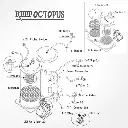

Octo SRO CR-3000D 7in Dual Chamber Calcium Reactor
SKU: SRO-CR3000D
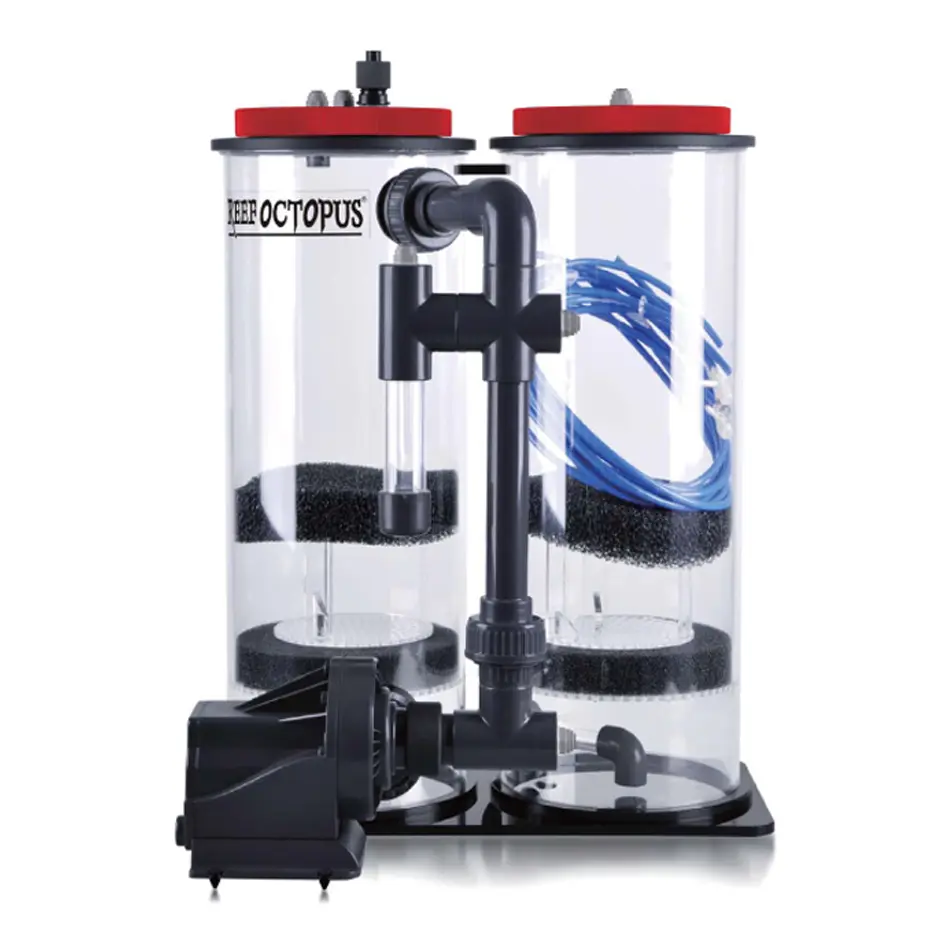
- Dual-Chamber Efficiency: Incorporates a secondary 7-inch media tower that intercepts outgoing effluent, safely absorbing residual CO2 and stabilizing return pH.
- High-Torque Recirculation: Driven by an industrial-grade, heavy-duty Water Blaster 3000 water pump that ensures continuous, high-volume water turnover through both media columns.
- Reverse Flow Engineering: Forces water upward from the base of the primary chamber, maximizing contact time with aragonite and eliminating media compaction.
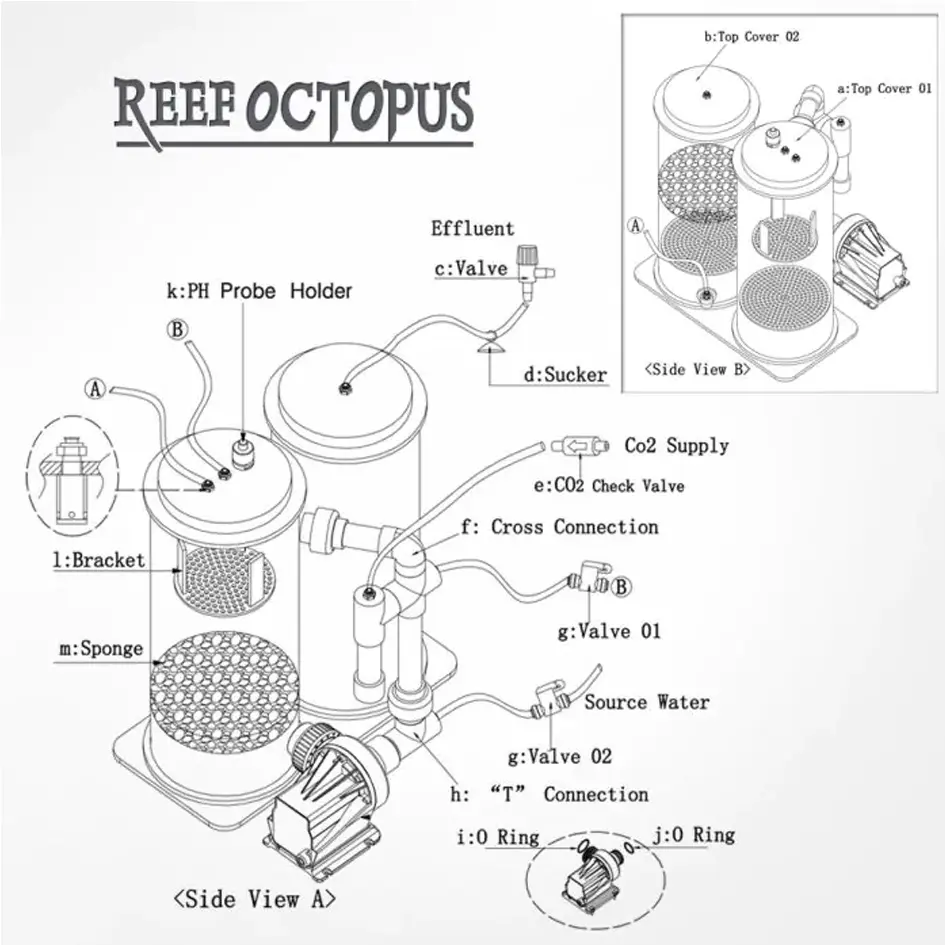
- Recirculating CO2 Loop: Intelligently captures unused gas pockets collecting at the top of the neck, re-injecting them into the system to minimize gas waste.
- Integrated pH Probe Port: Features a built-in compression probe holder on the primary chamber lid to safely automate and track internal acidity levels.
- Heavy-Duty Cast Acrylic: Precision engineered from optical-grade, heavy-wall solid cast acrylic with an easy-to-remove thumb-screw flange lid.

Reef Octopus
Globally trusted for premium protein skimmers and pumps, engineered in-house for unmatched reef filtration performance.
-
FREE Shipping on orders over $75.00
-
Closeout: new, unopened unit; available while supplies last
-
Backed by a 90-Day Warranty
High-performance reverse flow design, superior craftsmanship, and a 2-year pump warranty are just a few of the features on the Super Reef Octopus calcium reactors. If you are concerned about calcium levels due to your calcium-loving animals, look no further than our SRO calcium reactors.
All SRO calcium reactors come with our high water volume Water Blaster pumps, which come standard with Silicone Carbide shafts and bearings. This means no worries of moving parts freezing up, causing broken shafts.
All SRO calcium reactors come with PH probe holders to monitor PH inside the first chamber of the reactor. Equipped with a PH probe holder to mount a PH probe to monitor Ph levels in the main reactor chamber and built-in bubble counters to monitor Co2 drip rates. To help you meet the challenging task of maintaining alkalinity, calcium, and trace elements, consider adding a Super Reef Octopus calcium reactor to your aquarium system.
Calcium / Alkalinity Demand
- Heavy: 200 gallons
- Medium: 400 gallons
- Light: 600 gallons
Features
- Reverse flow and CO2 Recirculating Design
- Auto Fill Bubble Counter
- Probe Holder w/Plug*
- Easy to Remove Lid
- Precision Effluent Control Valve
- Solid Construction
- 1/4"quick-connect fittings
- 5yr Pump Warranty
* Does not include pH probe.
How it works
A calcium reactor is essentially a chamber filled with aragonite, the crushed skeleton of ancient hard corals. Aquarium water is pumped through this chamber along with pressurized carbon dioxide (CO2). The CO2 lowers the pH in the chamber to an acidic level, which dissolves aragonite media into the aquarium water. In addition to dissolving the calcium, this process also dissolves nearly all the minerals and trace elements the coral used to grow.
Automated Calcium and Alkalinity Supplementation - When set up properly and used correctly, a calcium reactor can maintain or increase calcium levels with minimal maintenance.
What’s Included:
(1) SRO-CR3000D Dual Chamber Calcium Reactor Body
(1) High-Performance Recirculation Pump Assembly
(1) Integrated Visual Bubble Counter Chamber
(1) Primary pH Probe Holder Port with Sealing Plug
(1) Precision Effluent Micro-Gate Valve
(1) 1/4 in Quick-Connect Fitting Pack
Technical Specs:
Model: SRO-CR3000D (Super Reef Octopus 3000 Dual Chamber)
Chamber Body Diameter: Dual 7 in (2x 180mm)
Footprint: 15.75 in x 13.5 in
Total Height: 23 in
Total Media Volume Capacity: Approximately 11.5 Liters (3 Gallons)
Media Style Required: Large-Grain Coarse Aragonite
Recirculation Pump Information
Water Blaster 3000
Wattage: 37w
WARRANTY
CoralVue, Inc. hereby guarantees this product to be free from defects in material and workmanship for a period of:
- 90-days
- Warranty is activated on the date of purchase.
This Standard Limited Warranty applies and is limited as follows:
- To the product only as long as it remains in the possession of the original purchaser.
- To the product that has not been subject to accident, misuse or abuse.
- To the product that has not been modified, altered, defaced, or had repairs made or attempted by other than CoralVue, Inc.
- That CoralVue be immediately notified in writing within ten (10) days of first knowledge of defect by owner or his agent.
- That CoralVue, Inc. shall be given first opportunity to make any repairs, replacements or corrections to the defective construction within a reasonable period of time.
- Under no circumstances shall CoralVue and/or the Manufacturer be liable by virtue of this warranty or otherwise for damage to any person or property whatsoever for any special, indirect, secondary or consequential damages of any nature however arising out of the use or inability to use because of the product defect.
- Loosen the upper thumb-flange hardware and lift the sealing lids off both 7-inch cast acrylic cylinders.
- Rinse your preferred large-grain coarse aragonite reactor media thoroughly with RO/DI water to wash away fine dust, then distribute it safely into both columns above the lower diffuser grids.
- Re-seat the heavy lids, making sure the structural silicone O-ring gaskets rest flush against the acrylic collars, and tighten down the thumbscrews in an alternating pattern.
- Insert your electronic pH controller probe into the designated primary chamber compression port and tighten the locking collar securely to form a watertight seal.
- Plumb your 1/4-inch feed supply water line (from a dedicated auxiliary pump or an active aquarium manifold tap) and your regulated CO2 line to their respective intake push-connect inputs.
- Fill the reactor assembly completely with tank water to push out trapped air pockets, power up your effluent supply line, turn on the recirculation pump, and connect to a GFCI outlet.
Pro Tips:
- Coarse Media is Mandatory. Always use large-grain, coarse aragonite media (such as large coral bones or premium coarse chips) inside both towers of the SRO-CR3000D. Fine, sandy media will quickly melt down into a dense, muddy paste inside the acidic 6.5 pH environment of the primary tower. This mud will clog the bottom distribution plates, choke water flow, and potentially seize or permanently damage the recirculation pump.
- First Tower Monitoring Only. When automating your CO2 gas injection with an electronic controller, ensure your pH probe is mounted exclusively inside the primary chamber port. The primary chamber must maintain an acidic target (typically 6.5 to 6.7) to melt the media. Do not attempt to read or control the gas based on the secondary chamber's pH, as its job is to actively raise those numbers back up before the effluent discharges into your sump.
- Prevent Effluent Line Clogging. Because the effluent fluid leaving the secondary chamber is highly saturated with calcium and carbonate ions, small mineral crusts (calcium scaling) can slowly build up inside the tiny 1/4-inch discharge line. Inspect your daily drip rate weekly. Every few months, clear out the lines by blowing a small volume of warm RO/DI water or a mild white vinegar solution through the effluent plumbing to dissolve hidden mineral blockages.