

![[IC-CC-SM] IceCap Premium Chloramine Removing Catalytic Carbon, 1 lb](/web/image/product.image/2961/image_1024/%5BIC-CC-SM%5D%20IceCap%20Premium%20Chloramine%20Removing%20Catalytic%20Carbon,%201%20lb?unique=b758ca9)
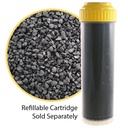
![[IC-CC-SM] IceCap Premium Chloramine Removing Catalytic Carbon, 1 lb](/web/image/product.image/2961/image_128/%5BIC-CC-SM%5D%20IceCap%20Premium%20Chloramine%20Removing%20Catalytic%20Carbon,%201%20lb?unique=b758ca9)
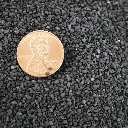
IceCap Premium Chloramine Removing Catalytic Carbon, 1 lb
SKU: IC-CC-SM
- IceCap Catalytic Carbon is a premium GAC media that removes chlorine, chloramines, and hydrogen sulfide from tap water.
- Additional catalytic processing makes it effective against weak oxidants like chloramines that standard carbon struggles to address.
- Also removes organic contaminants, colors, odors, and VOCs — suitable for RO/DI prefilters and aquarium use.
- NSF/ANSI 61 certified and produced with a phosphate-free process.

IceCap
Premium aquarium equipment without the premium price. Protein skimmers, pumps, reactors, heaters & more.
IceCap Premium Chloramine Removing Catalytic Carbon, 1LB
The IceCap Premium Chloramine-Removing Catalytic Carbon 1LB (SKU: IC-CC-SM) is an authentic, industrial-grade purification media distributed by CoralVue to insulate sensitive aquatic life from tap water toxins. Municipal water treatment facilities increasingly favor chloramines over standard liquid chlorine because chloramines are far more stable and remain active in city water lines longer. However, this stability makes them a nightmare for aquarists. Standard granular activated carbon (GAC) absorbs free chlorine quickly but lacks the catalytic surface speed to break the stubborn chemical bond of a chloramine molecule. This allows toxic ammonia and chlorine derivatives to slip directly through your pre-filters, melting your reverse osmosis (RO) membrane and exhausting your DI resin in weeks. The IC-CC-SM completely solves this processing bottleneck.
Through secondary thermal processing, IceCap alters the carbon’s surface chemistry, turning each granule into a high-speed catalytic reactor. When city water contacts the media, the modified surface rapidly breaks the chlorine-ammonia bond. Beyond chloramines, this highly porous media excels at grabbing volatile organic compounds (VOCs), eliminating heavy hydrogen sulfide odors, and removing yellowing organic pigments. Certified to strict NSF/ANSI 61 standards, it contains no chemical binders, heavy ash, or leachable phosphates. It serves as an unshakeable first-line defense for multi-stage RO/DI systems or an aggressive carbon polishing step inside dedicated aquarium media reactors.
Key Features
Protects Sensitive RO Membranes: Eliminating weak oxidants prevents premature oxidation and cracking of delicate thin-film composite (TFC) reverse osmosis membranes.
Dual-Use Fluid Application: Equally effective when deployed as a source-water pre-filter or when placed inside an up-flow media reactor to polish closed aquarium loops.
High Iodine Adsorption Rating: Maximizes internal microscopic surface area, ensuring a massive capacity for capturing dissolved organic contaminants, heavy metals, and dyes.
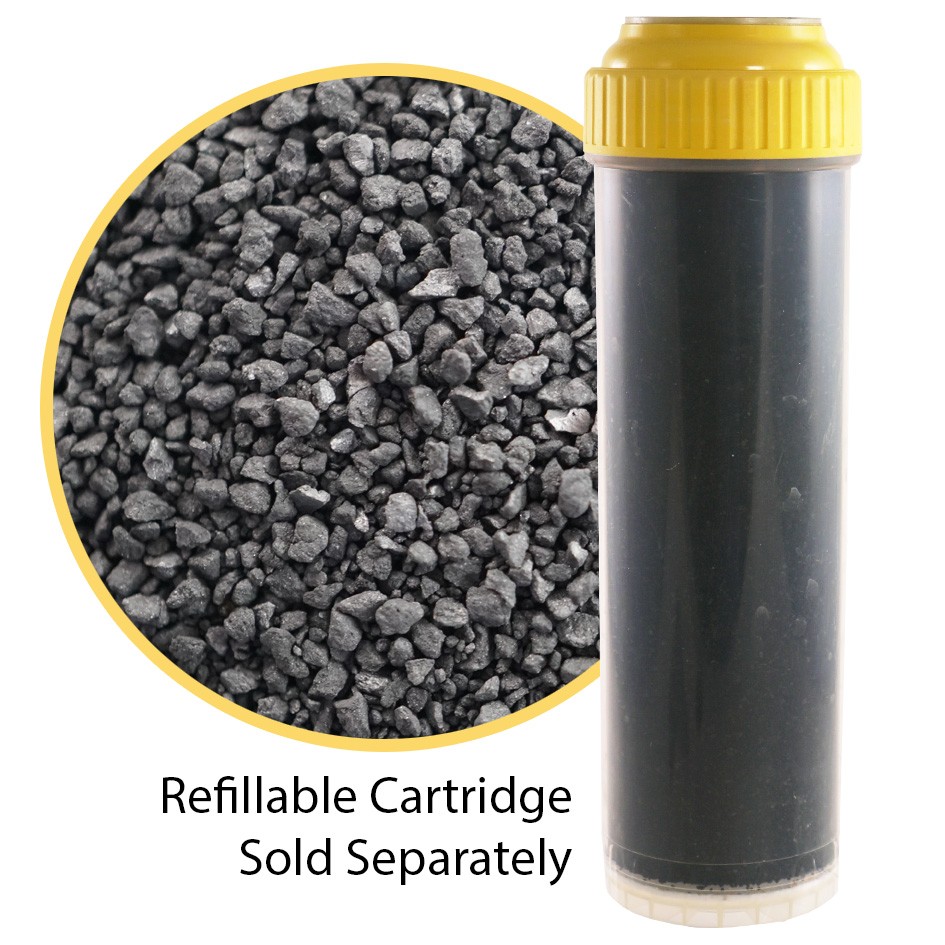
Note: This filtration media package includes a 1-pound loose container of catalytic carbon granules. Clear refillable cartridge shells, sediment blocks, and color-changing DI resins are sold under separate product catalog listings.
What’s Included:
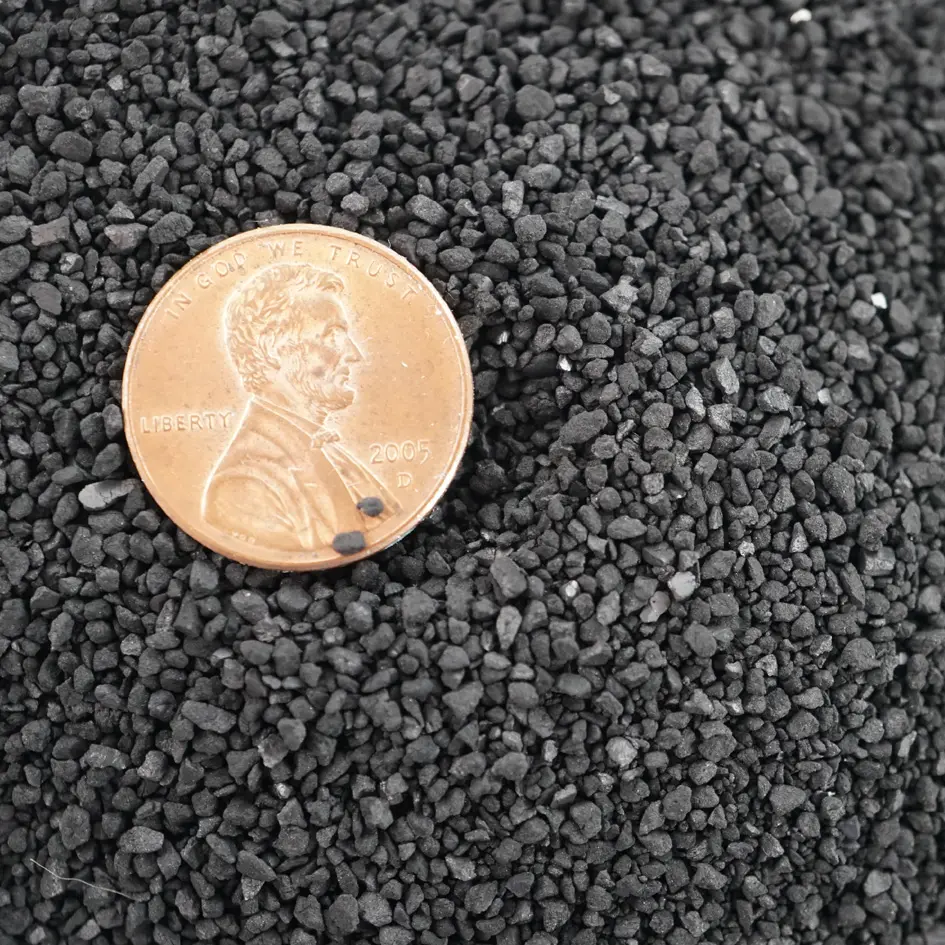
(1) 1LB (16oz) Jar of IceCap Premium Chloramine Removing Catalytic Carbon Granules
Technical Specs:
Official Manufacturing Title: IceCap Premium Chloramine Removing Catalytic Carbon 1LB
SKU / Factory Part Identifier: IC-CC-SM
Net Media Volume Mass: 1.0 lb (0.45 kg) dry weight configuration
Average Cartridge Yield: Fills exactly (1) Standard 10" x 2.5" Refillable RO Cartridge
System Longevity Rating: Rated to treat up to 1,000 gallons of chloramine-treated tap water*
Material Certification: Certified to NSF/ANSI Standard 61
Chemical Profile: Phosphate-free, low-ash bituminous base matrix
Aquarium Safety Matrix: 100% Safe for Marine Reefs, Freshwater, and Source-Water Filters
*(Note: Source water conditions, flow velocities, and regional chloramine concentrations will directly influence total media lifespan).
Instructions:
- Unbox your IC-CC-SM container and unscrew the cap. Take an empty, clean 10-inch refillable reverse osmosis cartridge shell and remove its top foam padding ring.
- Pour the catalytic carbon granules directly into the plastic cartridge shell, tapping the sides firmly against your counter to pack the media tight and eliminate large air pockets.
- Replace the foam padding ring over the top of the packed granules, screw the cartridge cap securely closed, and insert it into your RO system's pre-filter canister housing. Positioning: Always place this cartridge after your sediment filter and before your carbon block or RO membrane.
- Crucial Flushing Step: Temporarily disconnect or bypass your reverse osmosis membrane and deionization (DI) filter lines to prevent carbon dust entry.
- Turn on your source water valve and flush the freshly packed catalytic carbon cartridge for 5 to 10 minutes, running the discharge water straight down a drain until it changes from dark grey to perfectly crystal clear.
- Reconnect your RO membrane and DI resin pathways, check your canisters for watertight securement, and begin your normal purified water production.
Pro Tips:
- Bypass Your RO Membrane and DI Resins During the Initial Carbon Flush. When you first run water through newly packed catalytic carbon, it will inevitably shed a brief burst of fine grey carbon dust caused by friction during shipping transit. If you do not disconnect your lines, this fine black dust will shoot straight into your reverse osmosis membrane chamber and your DI resin beds. The carbon dust will physically clog the microscopic pores of your TFC membrane and coat your DI beads, permanently ruining their filtration capacity. Always flush the carbon into a bucket or drain until the water runs clear before hooking up your sensitive downstream stages.
- Pack the Refillable Cartridge Tight to Prevent Fluidization and Chunneling. When filling your standard 10-inch refillable plastic cartridge shell, make sure to tap the base of the filter canister firmly against a hard surface every few scoops. You want the carbon granules packed tightly against one another. If you leave the canister loosely packed, the incoming high-pressure tap water stream will easily push the granules aside, creating open vertical channels. Water will rush through these path-of-least-resistance tunnels, bypassing the catalytic carbon sites entirely and allowing raw chloramines to bleed through to your membrane.
- Monitor Your Total Gallon Production to Track Exhaustion Milestones. Unlike color-changing DI resins, catalytic carbon gives no clear visual sign when its catalytic surface sites are spent and exhausted. In typical city tap water containing standard chloramine concentrations, 1 pound of carbon will safely treat roughly 1,000 gallons of produced water. Keep a simple tally log near your water station or track your monthly water production. Changing the carbon out consistently prevents chloramine breakthroughs from quietly destroying your costly RO membrane.